Part II - Zaza: Protecting Families
How to Respond to the Rise of Unregulated Substances Sold in Retail Settings
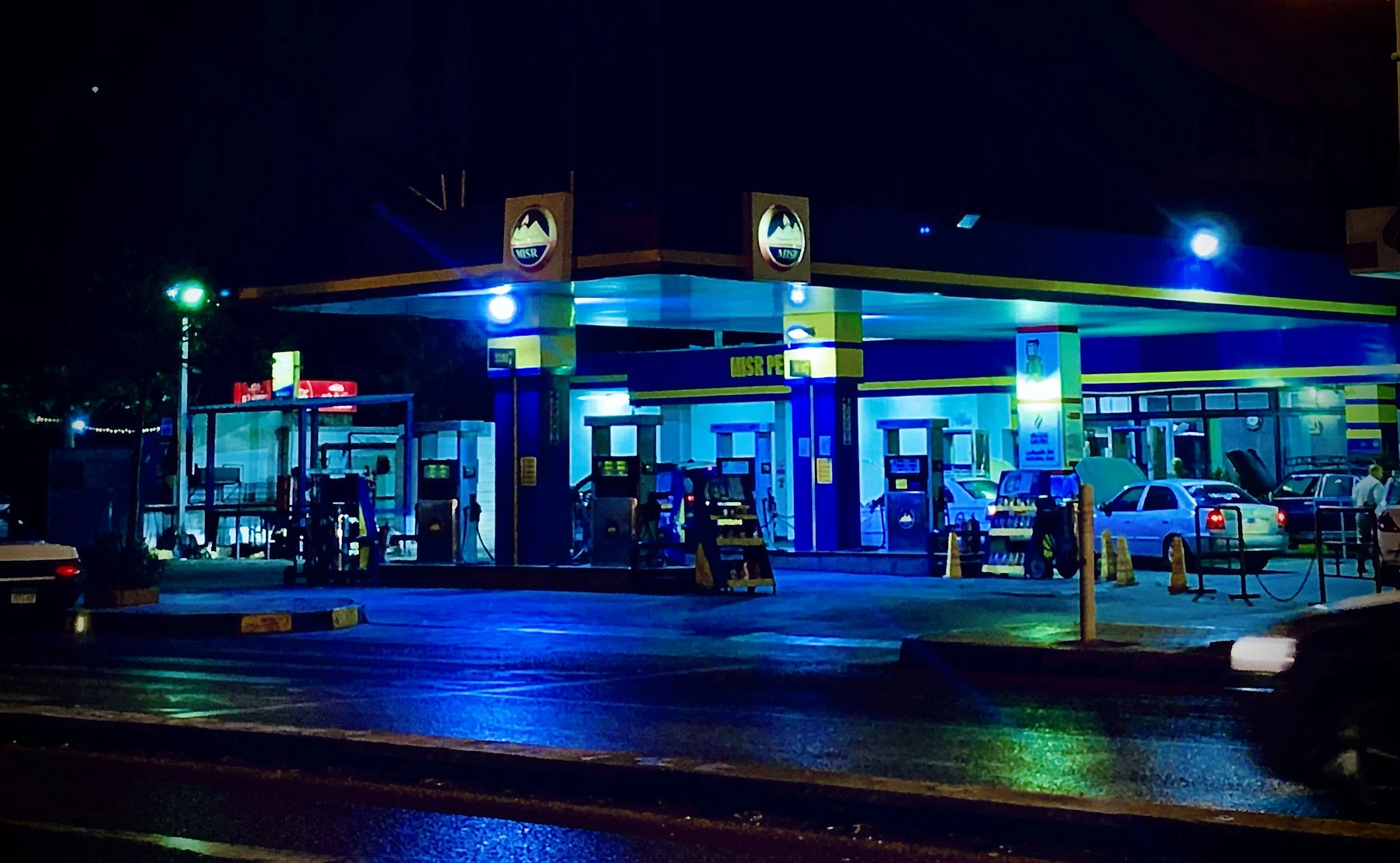
The goal of this article is education and prevention, not argument or sensationalism.
Intro
Now that you understand what tianeptine is and why it’s so dangerous, the next step is learning how to respond. This article is meant to educate and protect, not stir up controversy. I’m not getting into debates about legalization or politics. Parents, educators, and community leaders can play a vital role in prevention, awareness, and recovery.
From identifying the signs of use to exploring treatment options, this guide emphasizes practical, compassionate action because every conversation about “gas station drugs” is an opportunity to save a life and strengthen your community.
How It’s Marketed and Sold
In our earlier blog article, we learned that products sold under names like Zaza, Tianna Red, and Neptune’s Fix are often labeled as “supplements” to circumvent FDA regulations. These products usually feature bright, misleading packaging that closely resembles that of energy drinks or other energy products, potentially deceiving consumers. We also encouraged readers to speak with local retailers about the importance of removing these potentially dangerous products from shelves to ensure consumer safety.

A single voice can spark awareness - but a united community creates change.
What Parents and Community Leaders Can Do
Start by understanding the facts. Continue educating yourself about tianeptine and other “gas-station drugs” and recognize the red flags: sudden mood swings, unusual agitation, excessive drowsiness or sedation, nausea, and withdrawal-like symptoms when the product is out of stock.
Obtain trustworthy information from SAMHSA (the 24/7 National Helpline at 1-800-662-HELP (4357) and download shareable fact sheets. Bring these to your child’s school counselor or principal to suggest a brief parent-education session. Consider involving your local police community outreach officer and prevention coalitions to co-host. Develop a simple plan, including who will present, what topics to cover, and how to distribute resources, and ensure families leave with helplines, local treatment options, and clear follow-up instructions. Maintain momentum through regular check-ins, links to SAMHSA in school newsletters, and periodic awareness activities, ensuring parents stay informed and children remain safe.

Equally important is how you communicate with young people.
Approach conversations with empathy and curiosity, rather than fear or blame. Before talking, clarify your goal (“I want you safe”), choose a good time and private setting, and manage your own emotions. During the discussion, practice active listening, ask open-ended questions (“What are you seeing at school or online?”), acknowledge feelings without necessarily agreeing, and share concerns using I-statements (“I’m worried about products sold as ‘supplements’ that act like opioids”). Stay focused on safety, find common ground, and aim for a collaborative plan; how they will handle offers, where to seek help, and who to text if they feel pressured. Follow up briefly afterward to keep the lines of communication open. Showing curiosity builds trust, and trust encourages kids to keep talking.
“My doses started at 1 per day of 100 mg and quickly progressed to about 250mg 3 times a day as the tolerance builds incredibly fast.I knew I had a serious problem in October of 2015 when I woke at 6:00 AM in full-blown opiate withdrawal. My stomach hurt, and every muscle in my body ached. I was sweating but freezing.”
Treatment and Withdrawal
Withdrawal from tianeptine can be severe because it acts on the brain’s opioid receptors, leading to a strong physical dependence. Its short half-life causes symptoms to appear quickly and intensely. People may face severe anxiety, agitation, depression, irritability, and cravings, along with vomiting, diarrhea, dehydration, and dangerous fluctuations in heart rate or blood pressure. The distress alone can cause relapse, highlighting why medical support is crucial.
Do not try to quit “cold turkey” without supervision.
A medically managed detox can keep you safe and far more comfortable. Clinicians may use:
Medication management: buprenorphine/naloxone for opioid-type dependence, clonidine for autonomic symptoms, and (when appropriate) short-term benzodiazepines for severe agitation/insomnia.
Monitoring and medical care: IV fluids for dehydration, vital-sign monitoring, and treatment of complications.
Recovery is possible. With medical care, structured support, and family involvement, people can stabilize, heal, and rebuild. Therapy and continuing care matter. Addiction specialists and therapists help address the drivers of use (trauma, anxiety, depression, pain), teach coping skills, and build relapse-prevention plans. Family education is vital - shifting from enabling or shaming to boundaries, support, and repair improves outcomes.
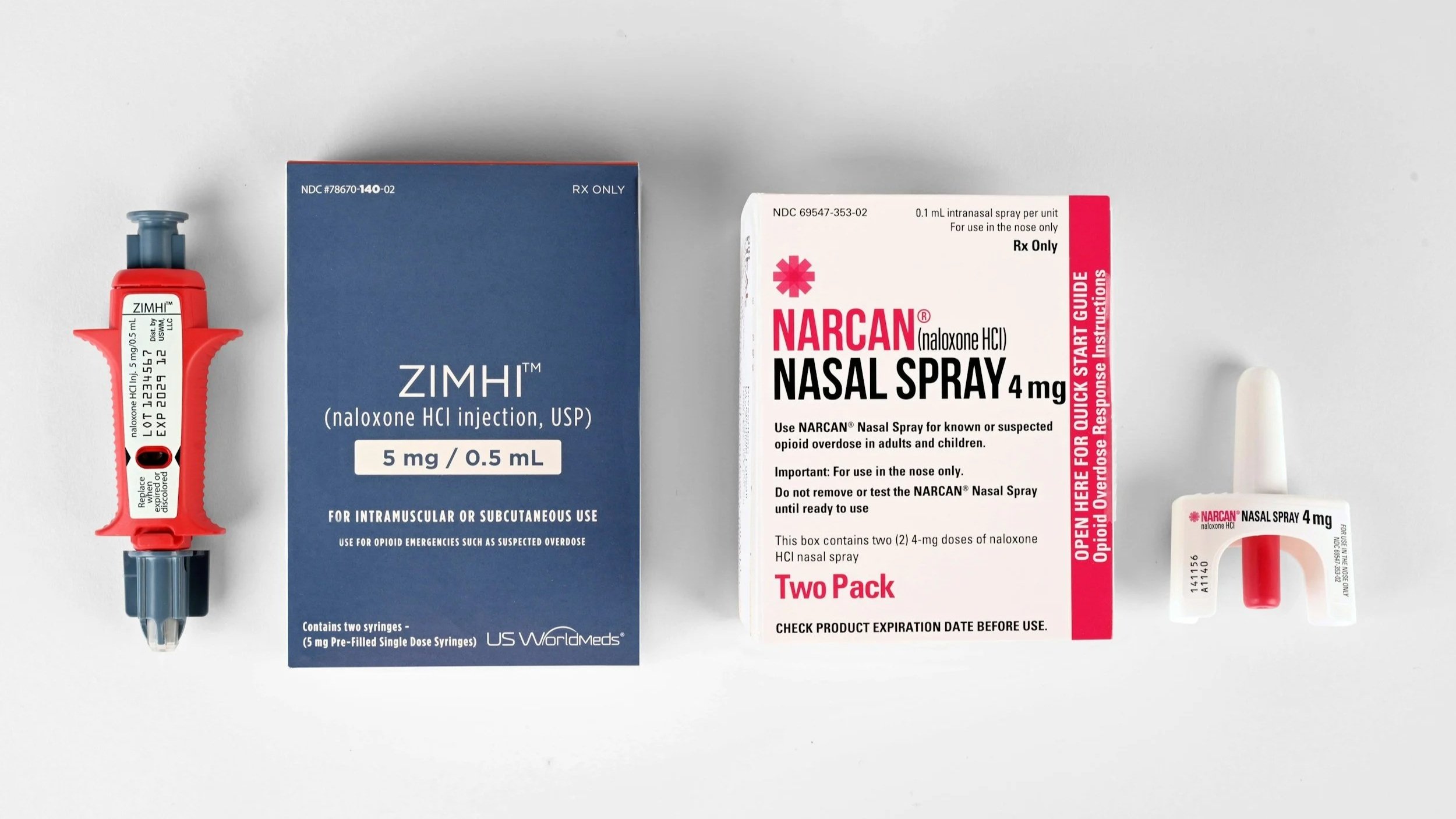
Keep naloxone (Narcan) on hand and learn the overdose signs.
Legal and Policy Landscape
In my state (Alabama), ZaZa/tianeptine is illegal. Lawmakers here moved early to protect consumers after discovering it was sold in convenience stores as a “supplement” despite its opioid-like risks. Tianeptine exists in a confusing legal gray area in the United States. Since it is not currently scheduled at the federal level, products containing tianeptine have been sold as “supplements” in gas stations and smoke shops, even though they pose serious health risks. In response, many states have taken steps to safeguard consumers. Alabama, Florida, Georgia, Indiana, Kentucky, Michigan, Minnesota, Mississippi, North Carolina, Ohio, Tennessee, and Virginia have already banned or restricted its sale, with more states actively considering similar measures.
Public health officials and lawmakers are now advocating for clearer federal regulations to prevent dangerous misuse and misleading marketing. A federal scheduling decision would establish nationwide consistency and restrict access to these products, where teens and high-risk individuals can easily buy them. For families and community leaders, staying informed is crucial. Monitor your state’s legislation and support organizations advocating for stronger consumer protections.
Awareness and advocacy can help reduce harm and ensure community safety isn’t left to chance. Laws change quickly. Check your state’s health department or attorney general’s website for updates, and consider working with local prevention coalitions and school boards. Informed communities are safer communities.
Closing
Tianeptine may sit on a countertop like any other “supplement,” but the stakes are anything but ordinary. Knowledge and compassion are our best defenses. When we learn the facts, talk to our kids without shame, and share credible resources, we interrupt the silence that lets dangerous products spread. Every informed conversation at a kitchen table, PTA meeting, or faith group creates a small zone of safety, and those zones add up.
If this series helped you, pass it on to a friend, colleague, or community group. Ask your school to host a parent session, check what local stores are selling, and keep helplines visible at home. For treatment referrals, call SAMHSA 1-800-662-HELP (4357). For mental-health crises, call or text 988.
CTA: Share this post, print the helplines, and invite one other parent to read it today. Awareness isn’t just power; it’s protection and a path to recovery.
I hope you find this information helpful. However, I must also mention that the advice given is for informational purposes only. It is not intended to diagnose or treat any condition. I always recommend that you consult with a licensed professional in their field of expertise.
If you believe this article will benefit someone else, please share it and email me if you have a topic you would like me to address. The email address is linked above.
If you found this topic interesting, you may want to explore one of the following blog articles.
About the Author
Janice V. Johnson Dowd, LMSW, is a speaker, writer, and family recovery specialist. She is the author of Rebuilding Relationships in Recovery (North Atlantic Books), a guide for families seeking connection, trust, and healing after addiction. Learn more at janicejohnsondowd.com.
Resources
www.fda.gov/consumers/health-fraud-scams/new-gas-station-heroin-tianeptine-product-trend
www.npr.org/2024/07/12/nx-s1-4865955/tianeptine-gas-station-heroin-drug
www.mayoclinic.org/healthy-lifestyle/consumer-health/in-depth/tianeptine-is-safe-use-possible/art-20562252
SoberJohn A Walk on the Dark Side: My Struggle and Release with Tianeptine https://www.soberrecovery.com/forums/substance-abuse/382162-walk-dark-side-my-struggle-release-tianeptine.html?utm_source=chatgpt.com
://www.npr.org/2024/07/12/nx-s1-4865955/tianeptine-gas-station-heroin-drug
About the Author
Janice V. Johnson Dowd, LMSW, is a speaker, writer, and family recovery specialist. She is the author of Rebuilding Relationships in Recovery (North Atlantic Books), a guide for families seeking connection, trust, and healing after addiction. Learn more at janicejohnsondowd.com.