When Caring for an Aging Parent Brings Up Shame
Learning to balance love, guilt, self-care, and self-compassion

How do you keep showing up for those who once cared for you when love, guilt, and resentment are all in the room
Intro
Caring for an aging parent can evoke a wide range of complex emotions, ranging from profound love and tenderness often sit beside feelings of resentment and fatigue. These emotions often intertwine, creating a tumultuous emotional landscape where joy and sadness coexist. For many individuals, especially those who are in recovery or healing from complicated family histories, this stage of life can unexpectedly reopen old wounds, reminding us of unresolved issues and past pain that we thought were long behind us. This process can be emotionally taxing, and it's common to feel guilty for not doing enough or ashamed for feeling frustrated at all. None of this makes you ungrateful or unkind; it makes you human. Meeting these emotions with compassion is part of the healing process.
2. Name What You Feel—Without Judgment about your mixed feelings about caring for your elderly parent.
When these feelings surface, it’s essential to recognize that they are normal and part of the human experience. The shame that often accompanies caregiving can be particularly harsh because it makes us judge ourselves harshly and doubt our worth. The reality is that caring for a loved one is a deeply personal journey, filled with moments of uncertainty, frustration, and vulnerability. Recognizing and naming these feelings without judgment is a vital first step toward emotional resilience.
By naming what we feel (whether it’s guilt, shame, grief, or exhaustion), we gain clarity. Guilt, for example, often whispers, “I’m not doing enough,” nudging us to reflect on our values and what truly matters. Shame, on the other hand, murmurs, “I’m not enough,” which can be immobilizing and lead to self-criticism. Differentiating between these emotions allows us to respond with compassion rather than condemnation. When we're able to say, “This is guilt, not failure,” or “This is grief, not weakness,” we begin to restore our emotional equilibrium and approach caregiving with greater understanding and self-kindness

You can love your parent and still feel tired, frustrated, or resentful
That doesn’t make you ungrateful - it makes you human.
3. Navigating the Nuances
It also helps to acknowledge the complexity of the relationship. You may be caring for someone who cannot always care for you. You may feel gratitude and grief in the same breath. You can love your parent and still need distance or firmer boundaries. Holding two truths at once: “I want to help, and this is hard for me” is not a sign you’re doing it wrong; it’s a sign the relationship matters. Accepting this duality lowers the heat and allows genuine understanding to take root.
4. Redefine What “Enough” Means
Perfectionism is often the silent poison of caregiving, subtly eroding your well-being over time. As a caregiver, you might feel the relentless pressure to fix everything and meet every need perfectly, but the truth is, you can't fix everything, and you were never meant to. Recognizing your limits is an act of strength, not weakness. Ask yourself: What can I realistically give without losing myself or compromising my health? Building a support network is crucial; reach out to siblings, friends, respite care services, faith communities, or support groups. Remember, asking for help is a sign of strength, not a failure. Remind yourself that rest is not neglect; it's a necessary part of sustaining your caregiving role. Doing your best within your capacity, acknowledging your limits, and practicing self-compassion are essential steps toward maintaining your mental and physical health. Caregiving is a marathon, not a sprint, and caring for oneself ensures you can continue to care for others effectively.
5. Practice Compassion - for Both of You
When guilt rushes in (“I should have been more patient”), pause. Gently ask yourself, what was I needing in that moment? Our stress responses, not our hearts, often drive the reaction. Self-compassion helps you soften toward yourself and, over time, toward your parent. Compassion doesn’t mean letting go of boundaries; it means choosing to respond with awareness rather than punishment.
To express compassion for your elderly parent, try active listening, showing patience, and acknowledging their feelings without judgment. Small acts of kindness, patience, and understanding can foster a more empathetic connection, helping both of you feel seen and supported.
“Caring for a parent can heal you - or reopen wounds you didn’t know were still there”
6. Create Space to Process
You weren’t meant to carry this alone. Journaling, therapy, or a trusted support group can help you name and release what’s building up. Try reflective prompts such as:
· What do I wish my parent knew about me now?
· What part of this care is helping me heal?
· What boundaries help me stay both compassionate and sane?
· How has my relationship with my parent shaped who I am today
· What issues from my past are dictating how I am reacting
· What feelings am I avoiding by not addressing this issue?
· What lessons have I learned from this experience?
· What are my hopes for my healing journey?
Feel free to adapt these prompts to match your personal reflection style. After you've answered them, share your responses with your sponsor, therapist, or trusted friend to get feedback or simply have someone listen.
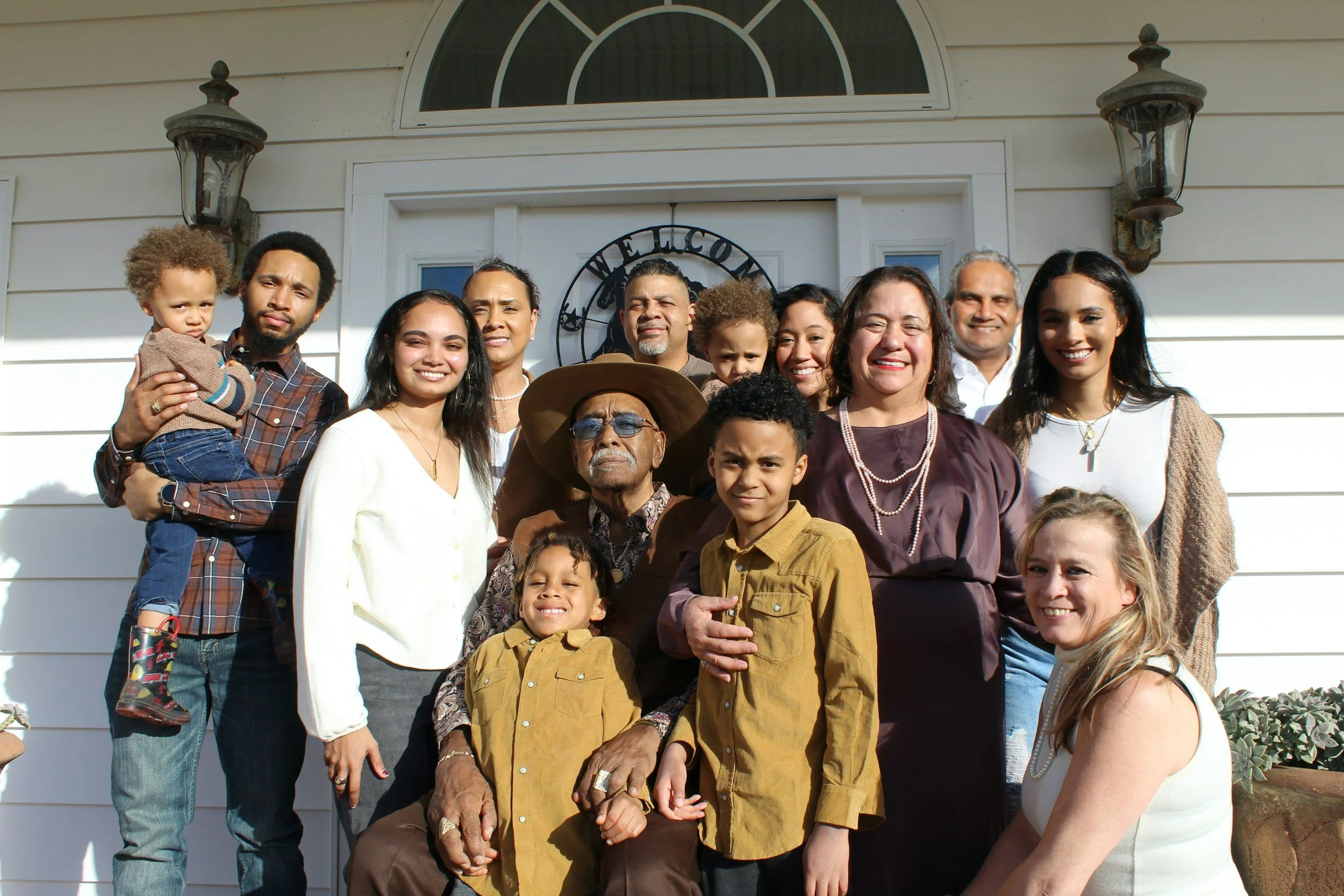
Caregiving can be a generational repair—
an act of love that replaces guilt with grace, and silence with understanding
Reframe the Story
What if caregiving isn’t only a responsibility, but also a chance to change long-standing family patterns? Caring for an aging parent can offer an opportunity to practice healthy boundaries, stay emotionally connected without losing yourself, and make intentional choices rather than acting from guilt or obligation. Small, consistent moments matter - showing patience, speaking honestly and respectfully, and extending self-compassion when things don’t go as planned. Over time, these choices can influence family relationships in meaningful ways, shaping how care, responsibility, and connection are experienced across generations.
“I’m doing the best I can with what I’ve learned - and that’s enough to begin healing the line.”
Closing Reflection
Family recovery isn’t only about substance use; it continues in how we show up for one another through aging, change, and repair. Caring for a parent means tending not only to their needs, but also to your own heart - and to the generations watching. When you bring compassion and clear limits to this process, you aren’t just supporting a parent; you’re quietly rewriting your family story with more honesty, connection, and peace.
I hope you find this information helpful. However, I must also mention that the advice given is for informational purposes only. It is not intended to diagnose or treat any condition. I always recommend that you consult with a licensed professional in their field of expertise.
If you believe this article will benefit someone else, please share it and email me if you have a topic you would like me to address. The email address is linked above.
If you found this topic interesting, you may want to explore one of the following blog articles.
Disclainer
The content on this website is for informational and educational purposes only. It reflects my personal and professional experience as a licensed social worker, but is not a substitute for therapy, counseling, or professional mental health treatment.
If you are struggling or need individualized support, please seek help from a qualified mental health professional. If you are in crisis or concerned for your safety, call or text 988 in the U.S. to reach the Suicide and Crisis Lifeline, or contact your local emergency services.
About the Author
Janice V. Johnson Dowd, LMSW, is a speaker, writer, and family recovery specialist. She is the author of Rebuilding Relationships in Recovery (North Atlantic Books), a guide for families seeking connection, trust, and healing after addiction.