Part 1: What Is Zaza (Tianeptine)? The Hidden Danger in Gas Stations

Every conversation about gas-station drugs is a chance to save a life and strengthen the community around you
Across the country, a quiet danger has been showing up on the shelves of gas stations and convenience stores. You might see it labeled as a mood booster or focus aid, but behind names like Zaza or Tianeptine is something that acts a lot like an opioid. People who use it can end up facing addiction, withdrawal, and even overdose. Some states are starting to crack down, but in many places, it’s still way too easy to buy.
This post isn’t about politics. It’s for parents, educators, counselors, and community members who just want to know what they’re up against. We’ll walk through what Tianeptine is, why people call it “gas station heroin,” and how its easy availability puts teens and other vulnerable people at real risk.
Should We Call It the “Gas Station Heroin”?
ZaZa is a well-known brand of tianeptine. You might see it sold next to products like Tianaa (Red/White), Neptune’s Fix, and other supplements that claim to help with mood or focus. Some people call it “gas-station heroin” because, in large doses, tianeptine activates the same brain receptors as heroin and morphine. This can cause opioid-like effects, quickly lead to tolerance, and challenging withdrawal symptoms.
Even though it’s advertised that way, tianeptine is not approved by the FDA in the United States for any medical use. It often appears online or in convenience stores, smoke shops, and mini-marts as an “herbal” or “dietary” supplement, which makes it seem safer than it actually is. Because it’s so easy to get over the counter, it’s hazardous for teenagers and people trying to self-treat anxiety, depression, or pain.
Regulators are paying attention. The FDA has issued warnings and labeled tianeptine as unsafe. Many states have started to restrict or ban it, sometimes making it a controlled substance. States like Alabama, Delaware, Florida, Georgia, Indiana, Kentucky, Michigan, Minnesota, Mississippi, North Carolina, Ohio, Tennessee, and Virginia have already taken action, with others following. Since laws are changing quickly, it’s essential to check the latest rules where you live.
The comparison to heroin isn’t just to scare you; it’s to warn about the real dangers of dependence, withdrawal, and overdose. In the following sections, we’ll explain these risks in more detail and tell parents, teachers, and communities what they need to know.
“The main difference between Schedule I and Schedule II drugs lies in their accepted medical use and potential for abuse under the U.S. Controlled Substances Act:
- Schedule I drugs have no accepted medical use and a high potential for abuse. They’re considered unsafe even under medical supervision.
Examples: Heroin, LSD, ecstasy, and marijuana (federally).
- Schedule II drugs have accepted medical uses but still carry a high potential for abuse and dependence if misused.
Examples: Oxycodone, fentanyl, Adderall, and Methadone.”
What Is It Really? Understanding Tianeptine
Tianeptine is an antidepressant developed in Europe and first marketed in France in the late 1980s (under the brand names Stablon, Coaxil, and Tatinol). Although it’s sometimes mislabeled as an SSRI, it isn’t. At therapeutic doses, it works through atypical mechanisms (including glutamatergic modulation) and, at higher doses, acts on the brain’s μ-opioid receptors, a key reason it can be misused.
Tianeptine is approved by prescription in several European, Asian, and Latin-American countries for conditions such as depression and, in some places, anxiety or IBS. The U.S. FDA has never approved it for any medical use. The typical medical regimen abroad is 12.5 mg three times daily, reflecting its short half-life.
Outside regulated healthcare systems, some products marketed as “tianeptine supplements” may contain unreliable doses or undisclosed ingredients. This gap - medical approval in some countries, no approval in the U.S., and unregulated retail products sets the stage for misuse and harm.
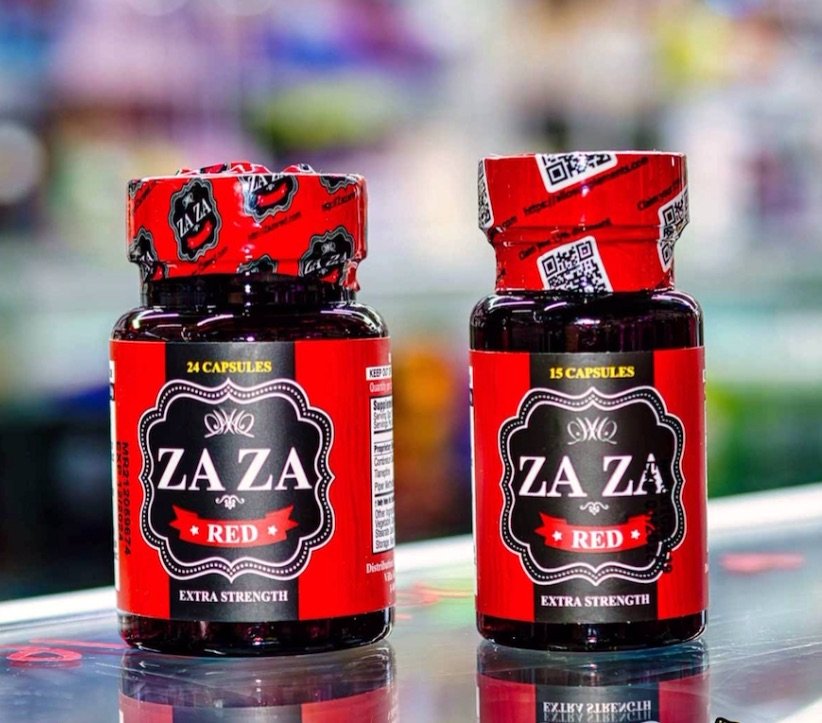
Tianeptine may sit on a countertop like any other supplement, but the stakes are anything but ordinary
Why It’s So Dangerous
1) Opioid-like action equals rapid dependence. At high doses, tianeptine activates the brain’s mu-opioid receptors, the same system targeted by heroin and morphine. Users may experience brief euphoria or relief, followed by tolerance (needing more for the same effect) and dependence (feeling sick without it). This cycle can quickly escalate, even for those who initially took it as a “supplement.”
2) Serious Medical Harms
Beyond sedation, misuse of tianeptine has been linked to respiratory depression, extreme sleepiness, confusion, agitation, vomiting, rapid heartbeat or blood pressure fluctuations, and seizures. Combining it with alcohol, benzodiazepines, sleep medications, or other opioids significantly increases the risk of overdose. Driving or caregiving while impaired can be very dangerous.
3) Withdrawal can be severe
Because it acts like an opioid, stopping suddenly may trigger intense withdrawal symptoms: anxiety, sweating, stomach cramps or diarrhea, insomnia, body aches, and strong cravings. People often redose just to feel “normal,” which fuels the addiction cycle.
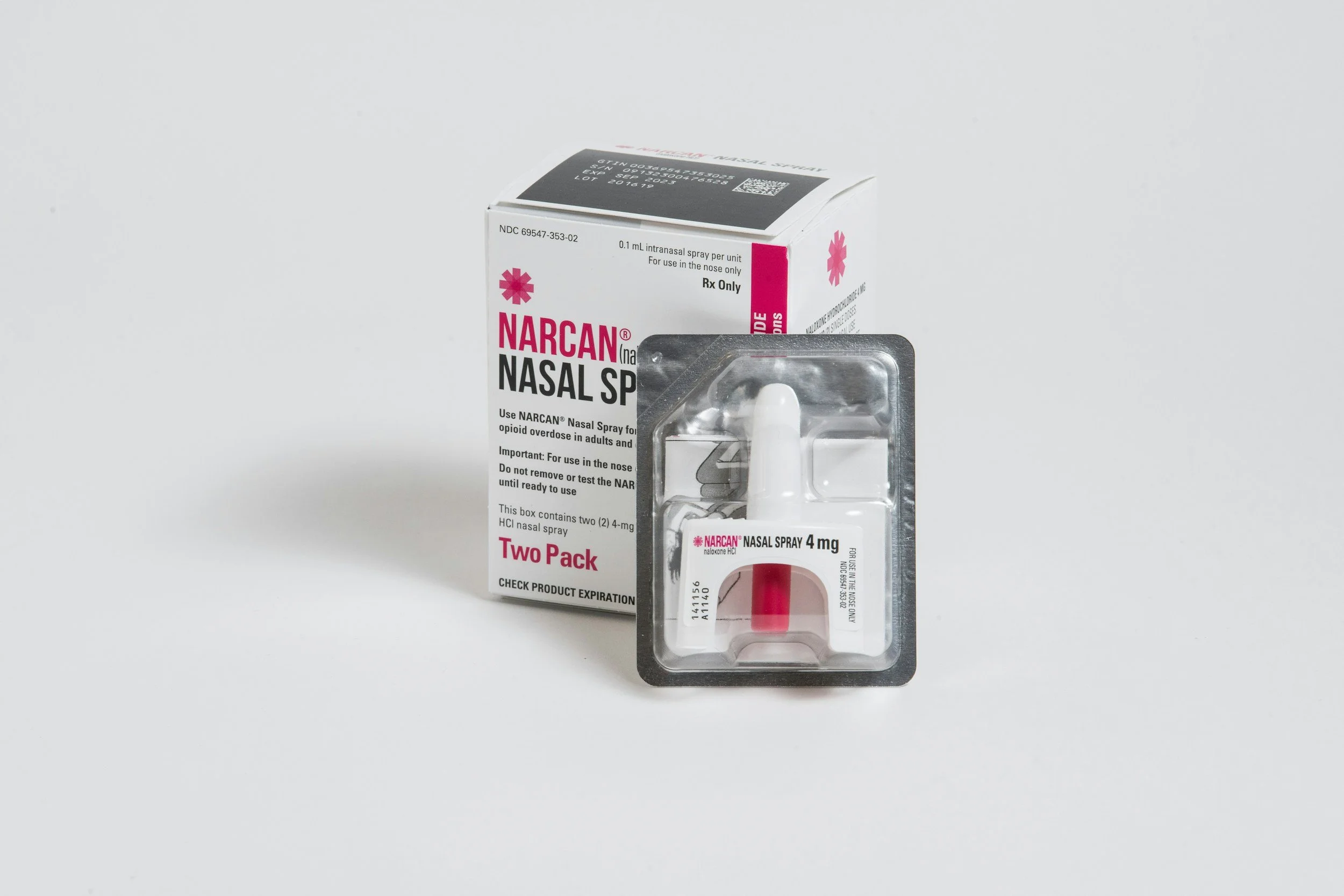
Zaza (tianeptine) acts on the same receptors as opioids, which means an overdose can look the same and Narcan can save a life. Always use it and call 911.
4) Naloxone helps - sometimes
Naloxone (Narcan) can reverse opioid overdoses and should be administered if overdose is suspected, such as slow or stopped breathing, blue lips or nails, or unresponsiveness. However, its effects can be incomplete or temporary, so call 911, give repeated doses if necessary, and stay until help arrives.
5) No medical oversight or quality control
Products sold under the names “Zaza,” “Tianaa,” “Neptune’s Fix,” etc., are unregulated. Labels may misstate dose, contain other undisclosed drugs, or vary widely between batches. People can unknowingly take dangerous amounts or create risky drug interactions.
6) High Risk Groups
Teens and young adults, people with anxiety or depression, chronic pain, or previous opioid use may be particularly vulnerable—often using it to self-medicate. Easy access at gas stations and online can create a false sense of safety.
The Science Behind Dependence
Science reveals how certain substances and behaviors hijack the brain’s reward system. When someone uses them, they trigger a surge of dopamine, the neurotransmitter linked to pleasure, motivation, and learning. The brain begins to associate relief or reward with that substance, training us to seek it again.
With repeated use, the brain adapts. Dependence develops, and tolerance follows, meaning larger amounts are needed to achieve the same effect. This escalation leads to increased consumption and heightens medical and safety risks.
When use stops, the brain’s balance shifts the other way. People may experience withdrawal, physical pain, anxiety, irritability, and insomnia that strongly pulls them back to avoid discomfort. These symptoms are not signs of weakness; they are the result of an overstressed reward system.
Crucially, even short-term exposure can trigger these changes, leading to both physical and emotional dependence. That’s why early, consistent prevention and support are essential before a habit turns into a compulsion.

Why Teens and Young Adults Are at Higher Risk
False safety signals.
When a product is sold in a gas station or labeled “legal” or “supplement,” teens often assume it’s safe. That perception lowers their guard and increases experimentation, especially with items marketed as “mood,” “focus,” or “energy” boosters.
A brain built for risk.
The adolescent brain is still wiring up self-control and long-term planning. Reward pathways are extra sensitive, while brakes (prefrontal cortex) are still developing. That combo makes fast-acting, feel-good substances more reinforcing—and harder to quit.
Social media & peer influence.
Targeted ads, influencer content, and friends’ posts normalize use and downplay risk. Packaging that mimics nootropics or wellness products adds to the confusion.
Self-medication.
Many teens reach for “quick fixes” to cope with anxiety, depression, ADHD symptoms, stress, or sleep problems. Without guidance, they may unknowingly choose substances that worsen mental health or trigger dependence.
Easy access.
Convenience stores, smoke shops, and online sellers make impulse buys simple and discreet. Inconsistent labeling and dosing increase the chance of accidental overuse or dangerous mixing with alcohol, cannabis, or pills.
What helps
Start early, nonjudgmental conversations; ask what they’re seeing at school and online.
Teach label skepticism: “legal” ≠ safe; “supplement” ≠ regulated.
Offer healthier coping (sleep, movement, counseling, skills for stress/anxiety).
Involve pediatricians/school counselors; consider screening for anxiety/ADHD.
Keep Naloxone at home and learn overdose signs; discuss safe choices and exit plans with friends.
This approach meets teens where they are - reducing shame, increasing safety, and keeping the door open for help.
In Closing
Awareness is the essential first step in tackling the challenges posed by Tianeptine. Recognizing its presence and understanding its effects builds the foundation for action. However, having information alone is not enough to create meaningful change. Families, schools, and communities must be equipped with practical tools and strategies to have open and honest conversations about Tianeptine. They need to learn how to spot warning signs, understand the risks, and respond appropriately and safely when the substance is around.
In Part 2, we will explore methods to protect families, enhance prevention efforts, and support individuals on their path to recovery. This approach emphasizes that education and proactive measures can truly save lives, fostering safer communities and healthier futures.
I hope you find this information helpful. However, I must also mention that the advice given is for informational purposes only. It is not intended to diagnose or treat any condition. I always recommend that you consult with a licensed professional in their field of expertise.
If you believe this article will benefit someone else, please share it and email me if you have a topic you would like me to address. The email address is linked above.
If you found this topic interesting, you may want to explore one of the following blog articles.
Resources
www.fda.gov/consumers/health-fraud-scams/new-gas-station-heroin-tianeptine-product-trend
www.npr.org/2024/07/12/nx-s1-4865955/tianeptine-gas-station-heroin-drug
www.mayoclinic.org/healthy-lifestyle/consumer-health/in-depth/tianeptine-is-safe-use-possible/art-20562252
About the Author
Janice V. Johnson Dowd, LMSW, is a speaker, writer, and family recovery specialist. She is the author of Rebuilding Relationships in Recovery (North Atlantic Books), a guide for families seeking connection, trust, and healing after addiction. Learn more at janicejohnsondowd.com.