Flying Sober in a Culture Where It's Always Five O'Clock Somewhere
The Airport Drinking Culture: A Sober Perspective
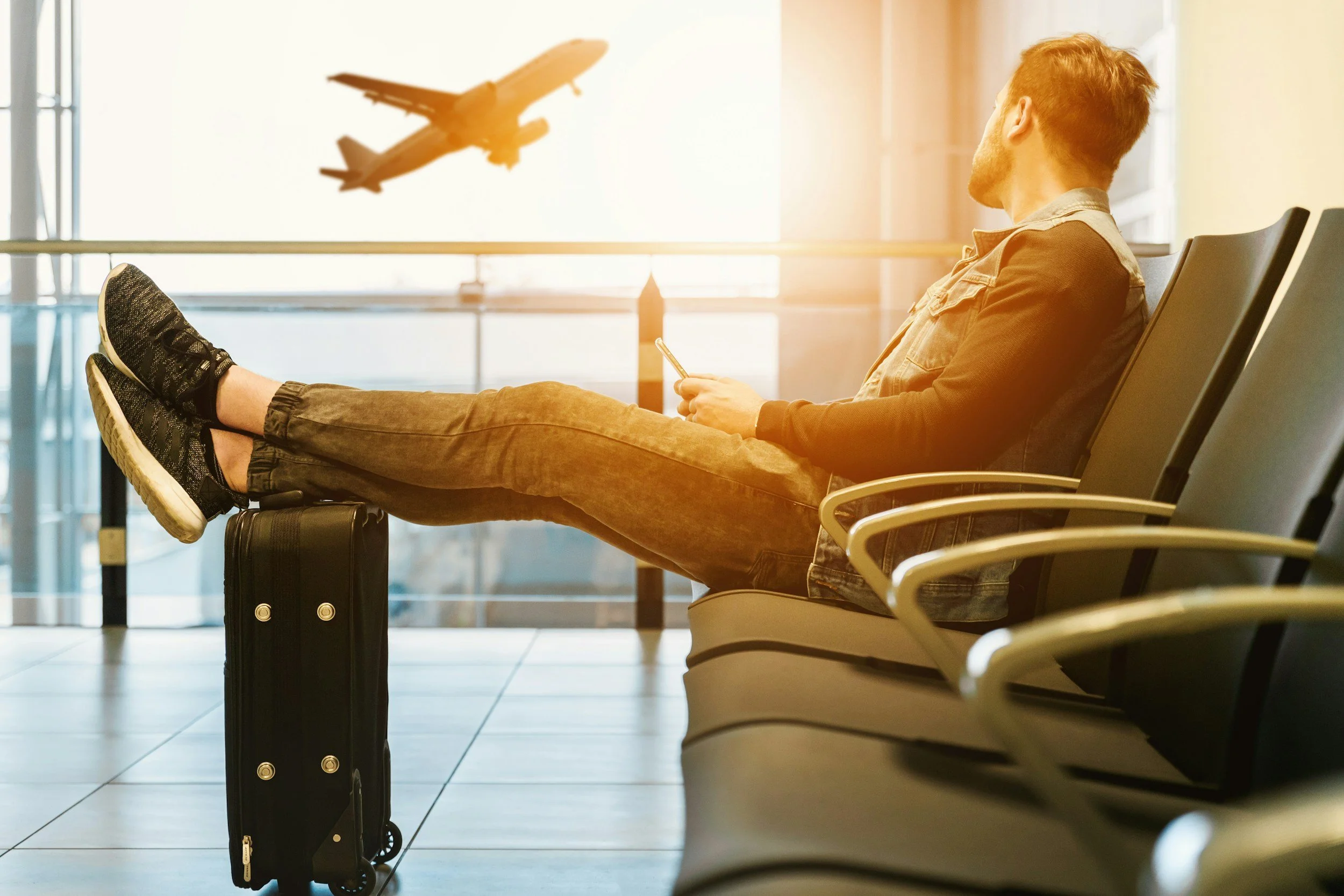
I spend a fair amount of time in airports these days, traveling to conferences, speaking engagements, and occasionally for pleasure. And one thing I've become increasingly aware of in sobriety is just how accessible alcohol is in airports. It's everywhere.
Airport bars can open as early as 7 a.m. Restaurants serve cocktails alongside breakfast. In airline lounges, complimentary alcohol is often just another membership perk. And once you're on the plane, the opportunity to drink continues.
What strikes me isn't simply the availability of alcohol. It's how culturally acceptable drinking has become at practically any hour of the day when we're traveling. Think about it. A cocktail at 8 a.m. might raise a few eyebrows in your hometown, but in an airport? Nobody seems to think twice.
After all, there are plenty of explanations.
We've been up since 4 a.m.
Flying makes me anxious.
We're on vacation!
Our flight is delayed. What else can we do?
And my personal favorite: It's five o'clock somewhere!
I'm not suggesting that everyone who enjoys an airport cocktail has a drinking problem. But as someone in long-term recovery, I find this normalization of drinking fascinating and sometimes concerning.
A Captive Audience Surrounded by Alcohol
Airports present a unique situation. Once we've made it through security, we're essentially a captive audience. If we have a long layover or a delayed flight, our options for passing the time can feel limited. We can't just hop in our cars and go somewhere else. We're stuck waiting, sometimes for hours.
And what's one of the most visible ways airports encourage us to pass that time? Have a drink. Alcohol is readily available, prominently displayed, and often marketed as part of the travel experience. Airport lounges offer comfortable seating, snacks, and complimentary drinks. Restaurants promote cocktails and happy-hour specials. Bars provide a place to sit, watch television, and escape the crowded terminal.
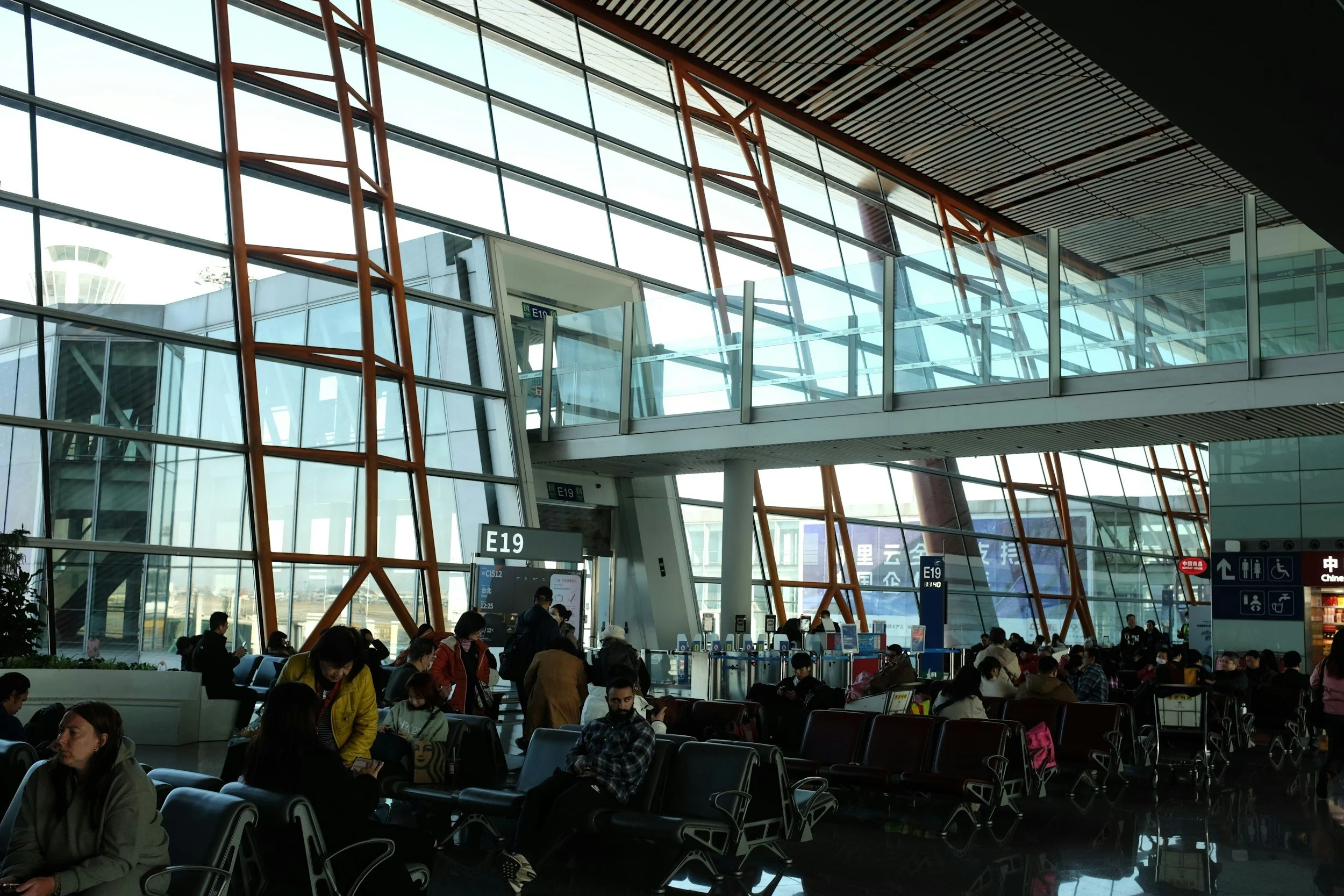
For many travelers, this is simply part of the experience.
But for someone in recovery, especially early recovery, it can present real challenges.
When Sobriety Changes What You Notice
One of the interesting things about recovery is how it changes our awareness. I don't know that I paid much attention to airport drinking culture when I was drinking. It was simply part of the landscape. Today, I notice things differently.
I notice how early the bars open. I notice people having cocktails with breakfast. I notice how easily alcohol becomes the answer to boredom, frustration, anxiety, or the excitement of starting a vacation. And I wonder how someone with 30 days of sobriety might experience that same environment.
Imagine being exhausted after waking up at 3:30 a.m., only to discover that your connecting flight has been delayed for four hours. You're tired. You're hungry. You're frustrated. Perhaps you're traveling alone. And everywhere you look, there's an opportunity to drink. For someone who previously used alcohol to manage uncomfortable feelings, that combination can be particularly challenging.

The good news is that we can prepare for these situations.
Protecting Your Sobriety While Traveling
We can't control whether alcohol is available in an airport, but we can make thoughtful choices about how we spend our time there.
Here are a few suggestions, especially for those new to sobriety.
Plan ahead for delays and downtime.
Don't assume your travel day will go smoothly. Flights get delayed, connections get missed, and sometimes we spend far more time in airports than anticipated.
Before leaving home, think about how you'll handle those extra hours. Having a plan can help prevent boredom and frustration from turning into cravings.
Bring a few comfort items.
Travel can be exhausting, so pack things that make the experience a little easier. A favorite book, comfortable headphones, a sweater, snacks, or even a small personal item that reminds you of home can help. Sometimes taking care of our basic physical and emotional needs makes a bigger difference than we realize.
Be intentional about where you eat.
If sitting in a restaurant surrounded by people drinking feels uncomfortable, choose another option. Look for coffee shops, grab-and-go markets, or restaurants that don't serve alcohol. If those aren't available, find a quieter place to enjoy your meal. You don't have to prove anything by sitting at an airport bar.
Bring your recovery resources with you.
Download recovery podcasts, audiobooks, or other encouraging material before your trip. Bring along recovery literature or something inspirational to read. Save a few favorite talks or meditations on your phone.
And don't forget that technology makes it possible to attend online recovery meetings from almost anywhere.
Stay connected to your support system.
If you're feeling overwhelmed or experiencing cravings, reach out. Call your sponsor, a trusted friend, or someone else who understands your recovery. Sometimes a ten-minute conversation can completely change how we're feeling. And remember, you don't have to wait until you're struggling to make that call.
Pay attention to HALT.
Those of us familiar with recovery programs have probably heard the acronym HALT: Hungry, Angry, Lonely, and Tired. Airports can create all four conditions! Make sure you're eating, drinking water, getting some rest when possible, and staying connected to others.
Taking care of yourself isn't a luxury. It's an important part of protecting your recovery.

"Friends of Bill W." is a discreet reference to members of Alcoholics Anonymous, named for AA co-founder Bill Wilson.
And Don't Forget the Friends of Bill W.
Here's something that many people, particularly those new to recovery, may not know. There is a long-standing tradition in some airports of using the public address system to help connect travelers who are members of Alcoholics Anonymous.
If you're struggling, you can approach a gate agent or airport employee and ask whether an announcement can be made:
"Would any Friends of Bill W. please meet at Gate 22?"
"Friends of Bill W." is a discreet reference to members of Alcoholics Anonymous, named for AA co-founder Bill Wilson.
The idea is simple. If another person in recovery hears the announcement and is available, they may come to the designated gate to offer support.
Not every airport or airline will accommodate this request, and there's no guarantee that another member will respond. But it's worth knowing that this tradition exists.
I love the idea behind it. In an environment where alcohol seems to be everywhere, there may also be someone nearby who understands exactly what you're going through. And sometimes, knowing we're not alone makes all the difference.
You Can Travel Without Drinking
I don't believe we need to avoid airports, restaurants, vacations, or other places where alcohol is available simply because we're sober. Recovery is about learning to live fully in the world, not withdrawing from it.
But I also believe we need to be realistic about environments that may challenge our sobriety, especially during those first months and years.
There's nothing wrong with choosing a coffee shop over a bar, stepping away from an uncomfortable situation, or calling someone for support. And there's certainly nothing wrong with recognizing that a long travel day has left you more vulnerable than usual.
One of the gifts of sobriety is discovering that we can experience frustration, boredom, anxiety, and disappointment without needing alcohol to make those feelings disappear.
So the next time you're sitting in an airport watching travelers enjoy their morning cocktails, remember this: Just because drinking is normalized doesn't mean it has to be part of your normal. You can enjoy the journey, survive the delays, celebrate the vacation, and make it home safely, all without a drink.
And if the day gets difficult, remember that help may be just a phone call, an online meeting, or even an airport announcement away.
Safe travels, and keep finding serenity wherever your journey takes you.
I hope you find this information helpful. However, I must also note that this advice is for informational purposes only. It is not intended to diagnose or treat any condition. I always recommend consulting a licensed professional in their field of expertise.
If you believe this article will benefit someone else, please share it and email me if you have a topic you would like me to address. The email address is linked above.
If you found this topic interesting, you may want to explore one of the following blog articles.
For more conversations about addiction, family relationships, boundaries, and rebuilding trust, listen to the Recovering Relationships podcast with Janice Johnson Dowd and Katie Dowd Walker.
Janice is also the author of Rebuilding Relationships in Recovery, a practical guide to repairing connections and developing healthier relationships after addiction.